


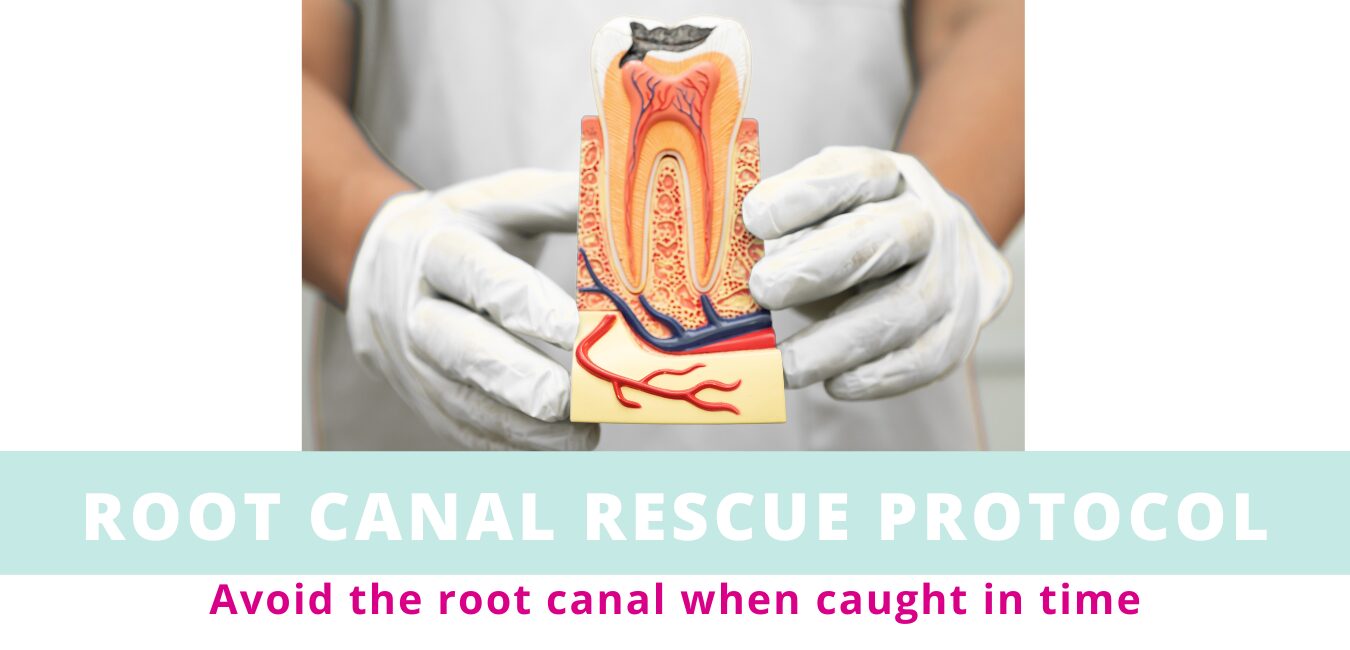
95%+ historical success when treated early
"I don't want a root canal, is it possible?"
Most patients assume a root canal recommendation means the decision is already made. It isn't — not always. When a tooth has deep decay, a crack, or lingering sensitivity, there is often a brief window where the nerve can still heal. The Root Canal Rescue Protocol is a focused exam designed to determine whether your tooth is still a candidate for biomimetic repair — meaning we work with the biology of the tooth, not against it.
Timing is the single biggest factor. The same tooth that qualifies today may not qualify in three weeks. If you've recently received a root canal recommendation and the procedure hasn't started, this exam is worth having first.
Ready to Schedule your consultation?

Why Saving Your Living Tooth Changes Everything
A tooth with a living nerve is not just a tooth. It is a sensory organ. It feels pressure, temperature, and force — and that feedback is how your body protects itself from biting too hard, from grinding, from damage you would never notice until it was too late. The moment that nerve is removed, that communication is gone forever.
From a biological dentistry perspective, here is what is truly at stake when we work to save a tooth from a root canal.
Your tooth stays connected to your immune system
A living tooth has its own blood supply. That means your immune system can reach it, respond to it, and protect it. Once a root canal is performed, that blood supply is gone. The tooth becomes what we call a non-vital tooth — and your body can no longer send immune cells to that area the way it once could. For patients focused on reducing inflammation and supporting long-term health, this matters enormously.
Less treatment means less inflammatory load on your body
Every dental procedure creates a healing response. Root canal treatment, while sometimes necessary, is a significant intervention — it involves removing tissue, sealing canals, and placing a crown in most cases. When we can rescue a tooth instead, we are asking far less of your body. Less trauma. Less material. Less recovery. And critically, less opportunity for the chronic low-grade inflammation that research increasingly links to systemic health conditions.
You keep your natural tooth structure
Biomimetic dentistry is built on one principle — nothing we place in your mouth will ever perform as well as what you were born with. Natural enamel, natural dentin, natural root — they flex together, absorb force together, and age together. A root canal tooth almost always requires a crown, which means removing more healthy tooth structure to place it. Saving the tooth means we preserve what is already there, and we rebuild only what is truly lost.
Your jawbone stays healthier
A living tooth root stimulates the bone around it every time you chew. That stimulation signals the body to maintain bone density in that area. A non-vital tooth does this less effectively. And if a tooth is eventually lost altogether, that bone stimulation stops — leading to the gradual bone loss that changes the shape of your face and jaw over time. Keeping a tooth vital is one of the most direct things you can do to protect your bone long term.
Your mouth-body connection stays intact
Research on the oral-systemic connection continues to grow. Chronic dental infection and non-vital teeth have been studied in relation to cardiovascular health, autoimmune conditions, and inflammatory disease. When we save a tooth through biological means — using ozone to eliminate infection without chemicals, and biomimetic materials that work with your body rather than against it — we are not just treating a tooth. We are reducing the toxic and inflammatory load on your entire system.
The bottom line
A root canal is sometimes the right answer. When infection has spread, when the nerve is already gone, when there is no other path — we will tell you honestly and help you through it with the most biological approach possible.
But when there is still a window to save that tooth — when the nerve is struggling but not lost — rescuing it is almost always worth pursuing first. Not just for the tooth. For you.
Honest Expectations
- Not every tooth qualifies. If the nerve is already lost or infection has spread, a root canal or extraction may still be the right path — and we will tell you honestly.
- Biology varies. Two teeth with similar X-rays can respond very differently. The exam gives us the information to make a sound decision together.
- Acting early is the single most important factor. The window for rescue can close quickly. Waiting weeks after symptoms begin significantly changes the outcome.
What a Real Root Canal Diagnosis Should Look Like
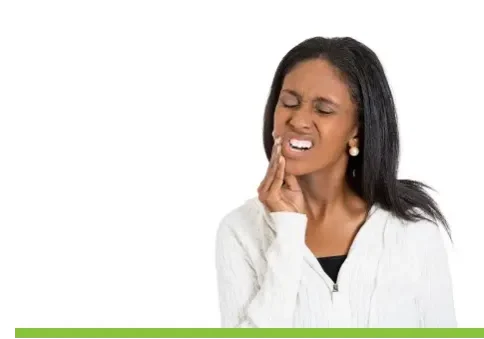
Most root canal recommendations are made from a two-dimensional X-ray and a few clinical tests. That information has value — but it also has significant limits. A flat image cannot show you the full three-dimensional anatomy of a tooth root, hidden canals, or the true extent of infection in the surrounding bone.
At Thurmont Smiles, we believe a diagnosis this important deserves a more complete picture.
The role of CBCT (3D X-Ray) in root canal diagnosis
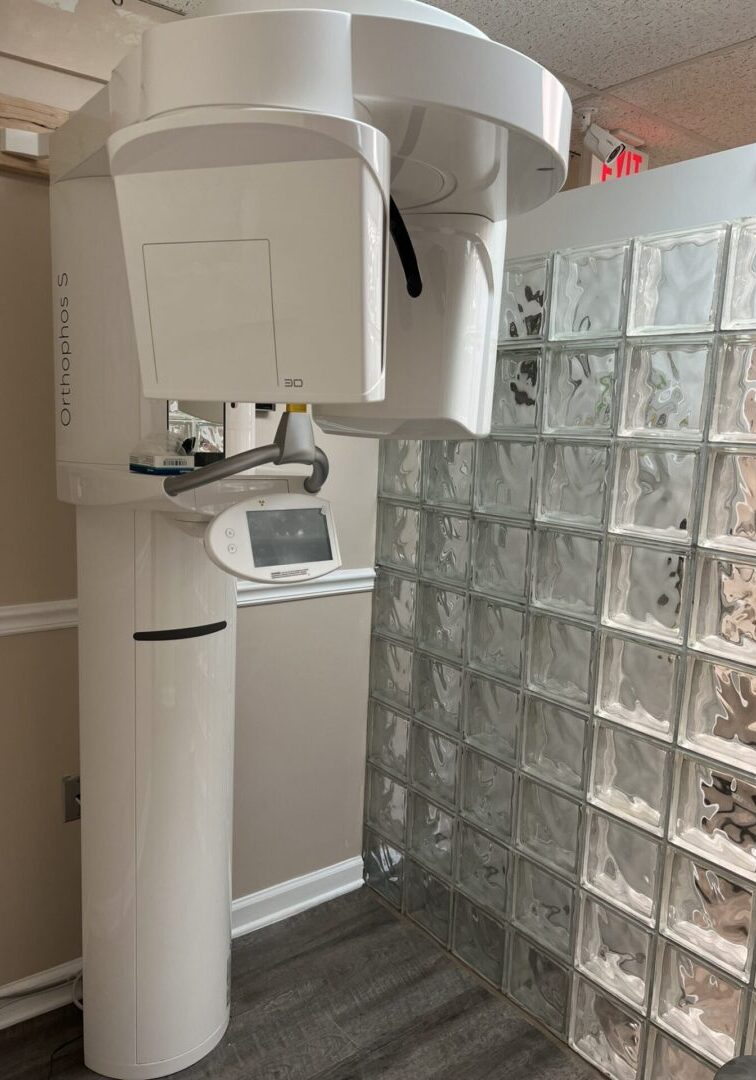
CBCT stands for Cone Beam Computed Tomography. It is a low-radiation, three-dimensional scan that gives us a view of your tooth, root, and jawbone that a traditional X-ray simply cannot provide.
With CBCT we can see:
- The exact number and shape of root canals — which varies far more than most people realize
- Whether infection has spread into the surrounding bone, and how far
- The proximity of the roots to critical structures like nerves and sinuses
- Hairline cracks that are invisible on standard X-rays
- Whether what looks like a failing tooth on a flat image actually has more going on beneath the surface
This level of detail changes decisions. It has allowed us to identify teeth that were misdiagnosed as needing immediate root canals — and it has also helped us catch situations where the problem was more serious than a standard X-ray suggested. Either way, you deserve to know the full picture before you make any decision.
Clinical testing that goes beyond the X-ray
Imaging alone is never the whole story.
We combine CBCT findings with a thorough clinical evaluation that includes:
- Pulp vitality testing — measuring how the nerve is actually responding to cold and pressure, not just what it looks like on film
- Periodontal assessment — because sometimes what presents as a root canal problem originates in the gum and bone, not the tooth itself
- Bite and occlusion analysis — excessive force from a misaligned bite can mimic the symptoms of a dying nerve and is frequently missed
- Careful symptom history — how long, how often, what triggers it, and whether it lingers. These details matter more than most patients realize
Why this approach is different
A rushed diagnosis serves no one. When a patient comes to us with tooth pain, cold sensitivity, or a root canal recommendation from another office, we do not assume the conclusion is already made. We start from the beginning — with the best diagnostic tools available — and we tell you what we find honestly, even when the answer is complicated.
You are not just a tooth on an X-ray. You are a person making a significant health decision. You deserve a diagnosis that reflects that.
Ready to find out more?
FAQS
Get in Touch With Thurmont Smiles


Phone


Business hours
Tues, Wed, Thu: 9 AM - 5 PM
Fri: 7 AM - 3 PM
Closed on Saturday, Sunday, Monday
-
Phone
-
Business hours
Tues, Wed, Thu: 9 AM - 5 PM
Fri: 7 AM - 3 PM
Closed on Saturday, Sunday, Monday