


Can Ozone Therapy Treat Tooth Infections Naturally?
When most people hear “tooth infection,” they think of pain, pills, and possibly losing the tooth. In a conventional setting, that often means antibiotics, removing more tooth structure, or surgery. As a biological dentist, I look for ways to disinfect, calm inflammation, and support your body’s own healing while preserving as much natural tooth and tissue as possible.
That is where ozone therapy can play a valuable role.
What Is Ozone Therapy in Dentistry?
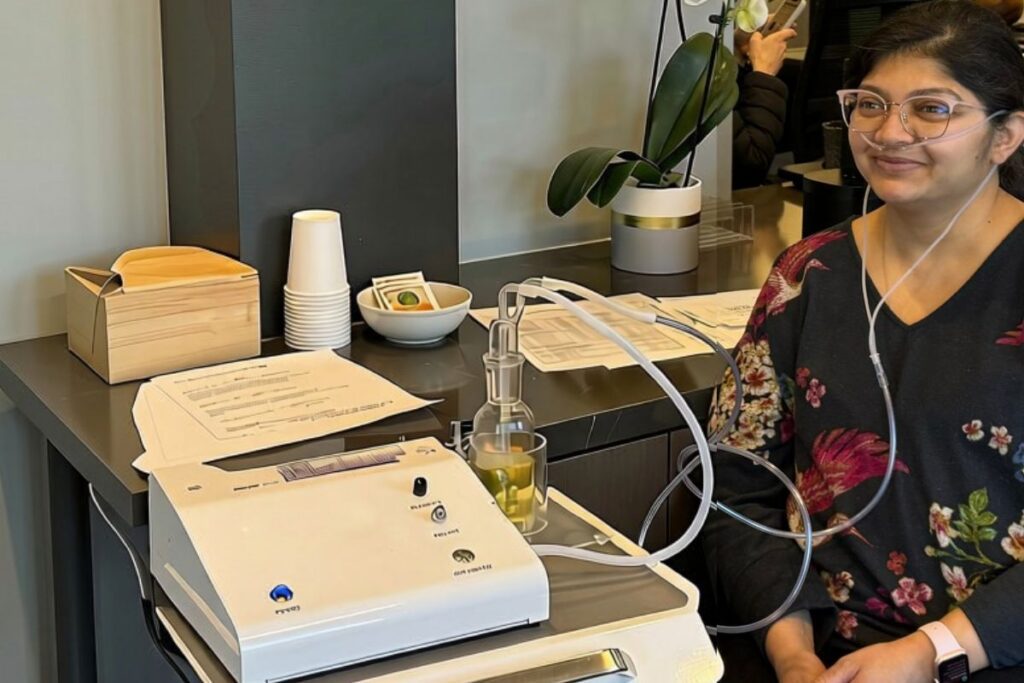
Ozone (O₃) is a form of oxygen with strong antimicrobial properties. It can help reduce the bacteria, viruses, and fungi that contribute to tooth infections and gum disease, while supporting your body’s healing response.
In my practice, ozone is used to lower the number of harmful microbes in the mouth, support healing after procedures such as extractions or implant placement, and slow tooth decay and, in some cases, help save a tooth that might otherwise need more extensive treatment.
It is a non-drug, non-surgical support that fits a whole-body approach to care.
How Ozone Works on Tooth Infections
Tooth infections are usually caused by bacteria that reach the inner part of the tooth or the surrounding gum and bone. Ozone helps in three main ways.
It disinfects selectively
Ozone disrupts the outer wall of harmful microbes and inactivates them. Healthy human cells are far more resistant to this effect, so ozone can be effective against pathogens while remaining gentle on your tissues.
It improves oxygen and circulation
Higher oxygen levels in the treated area support blood flow and tissue metabolism, both of which your body needs to heal.
It supports your body’s healing response
Rather than only masking symptoms, ozone helps the mouth rebalance its bacterial environment. That can mean smoother healing, especially after surgery or deep cleanings.
How Ozone Is Used in a Biological Dental Office
Ozone can be woven into many common treatments. You may experience it in three forms.
Ozone gas
Applied gently and precisely to:
- Deep cavities or early tooth infections
- Root canal areas, in some treatment plans
- Gum pockets affected by periodontal disease
- Surgical sites after extractions or implant placement
This reaches hard-to-access areas where bacteria like to hide.
Ozonated water
Used as an antimicrobial rinse and irrigant to cleanse the mouth during procedures, flush infected gum pockets, and rinse extraction and surgical sites. A cleaner environment supports healing and can lower the risk of complications.
Ozonated oils
Plant oils infused with ozone continue working after you leave the office. They can be applied to the gums between visits to support healing and used as a soothing home-care aid around problem areas.
Together, ozone gas in the office, ozonated water during treatment, and ozonated oils at home create a complete support system for tooth and gum infections.
Ozone Therapy vs. Traditional Approaches
Conventional care often manages tooth infections with repeated courses of antibiotics, removal of more tooth structure, or surgical removal of the tooth or infected bone. Sometimes these steps are necessary, especially in advanced cases. But antibiotics alone may not fully resolve a deep infection, and overuse can contribute to resistance and affect your gut and immune system.
Ozone is not a magic cure, and it does not replace needed treatment. Used alongside other thoughtful care, it can help us:
- Reduce or refine the need for antibiotics in some cases
- Make deep cleanings, extractions, and implant placement cleaner and safer
- Take a gentler approach that respects your body’s healing capacity
Is Ozone Therapy Safe?
When delivered by a trained professional with the right equipment, dental ozone therapy has a strong safety record. In our office, ozone is applied in a controlled way, and the treatment area is protected so you are not breathing it in.
Most patients find the treatment quick and comfortable. Side effects are rare and usually short-lived, such as mild irritation or lightheadedness. Because ozone is so potent, your provider should always review your medical history first, since certain conditions and life stages call for special care.
Who Might Benefit from Ozone Therapy?
Ozone may be a good fit if you:
- Have an early tooth infection or deep decay and want to explore tooth-saving options where appropriate
- Need an extraction, implant, or other oral surgery and want to support healing and lower infection risk
- Have ongoing gum disease and want a non-antibiotic way to reduce harmful bacteria
- Prefer a biological approach that considers your whole health and immune system
- Are sensitive to many medications or chemicals and want to limit your exposure
Questions to Ask Your Dentist About Ozone
If you are curious whether ozone could support your situation, bring these to your next visit:
- “Do you offer ozone therapy for tooth or gum infections?”
- “How do you use ozone before, during, or after extractions or deep cleanings?”
- “Can ozone help reduce my need for antibiotics or more invasive treatment?”
- “How do you address the connection between oral health and whole-body health?”
Their answers will show you whether their philosophy matches the kind of care you want.
A Gentler Path to Healing
A tooth infection does not always call for a maximum-force response right away. In a biological practice, ozone offers a way to disinfect, calm, and support healing alongside other careful treatment, with the goal of protecting both your smile and your overall health.
If you are dealing with a tooth infection and want to understand your options, we would love to talk with you. Schedule your Initial Biological Wellness Exam at Thurmont Smiles, and we will explain what we find in plain language, walk you through your choices, and never rush your decision.
Dr. Mansi Oza, BDS, DMD, FICOI