



Holistic/Biological Dentistry vs Conventional Dentistry: What’s the difference?
Many patients ask me this question:
What is the difference between holistic/biological dentistry and conventional dentistry?
The truth is, both types of dentists may have the same goal for their patients— healthy teeth and gums. The difference lies in how we think about the mouth and its connection to the rest of the body.
As a biological dentist, I look at the mouth not as an isolated system, but as an important part of your overall health.
Let me explain what that means and how my journey led me here.
My Journey Into Holistic and Biological Dentistry
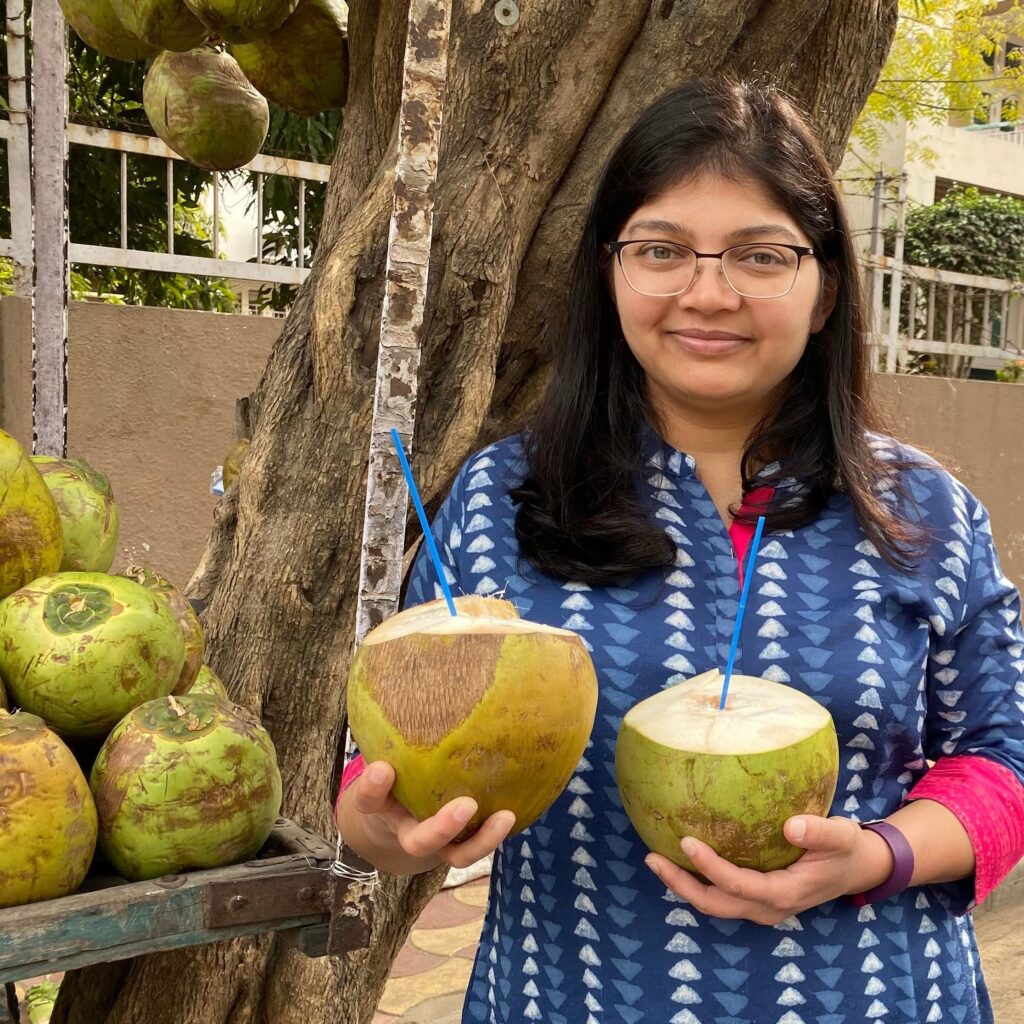
I grew up in India in a family where natural remedies, home-cooked foods, and toxin-free living were a natural part of everyday life. At the same time, there was a strong emphasis on education, science, and continuously improving oneself. Many of my relatives are traditional medical doctors.
One of my biggest influences was my aunt. She was always there for our family whenever someone became ill. Being a well-known physician herself, she had many connections with colleagues in different medical specialties and could help us get the care we needed very quickly.
As a child, however, I frequently fell sick and often missed school because of recurring fevers. After trying conventional treatments without much improvement, my father decided that we should try something different. My parents took me to an Ayurvedic doctor.
The doctor simply checked my pulse, paused for a moment, and nodded to himself as if the answer was very straightforward. He opened his medicine cabinet and handed my parents a small herbal remedy.
From that day forward, my recurring fevers completely disappeared.
I didn’t realize it at the time, but that small moment would shape how I think about health for the rest of my life.
As I continued practicing dentistry and learning more about whole-body health, I discovered biological dentistry, it felt like those two worlds—science and natural healing—were finally coming together — a way of practicing dentistry that works with the body rather than against it.
When I saw a course open on the topic, my curiosity took over and I registered immediately.
That course introduced me to subjects like:
• mercury toxicity from amalgam fillings
• ozone therapy for infection control
• biocompatible dental materials
I became certified, purchased the equipment, and slowly began incorporating these concepts into my practice.
What I discovered next changed the way I practice dentistry.
What Patients Experience Differently in a Biological Dental Office
Patients often notice several key differences when they visit a biological dentist.
A focus on preserving natural tooth structure
I practice biological and biomimetic dentistry because preserving natural tooth structure is extremely important to me. I avoid cutting healthy tooth whenever possible. With advanced technology such as CEREC, we can restore teeth while preserving as much of the natural tooth as possible..
Instead of aggressively cutting teeth for large crowns whenever possible, we aim to strengthen and support the natural tooth. I use fiber reinforced composite materials to strengthen the tooth structure and restore it with biocompatible materials whenever possible. Placing full coverage crowns is extremely rare in my practice.
Metal-free and biocompatible materials
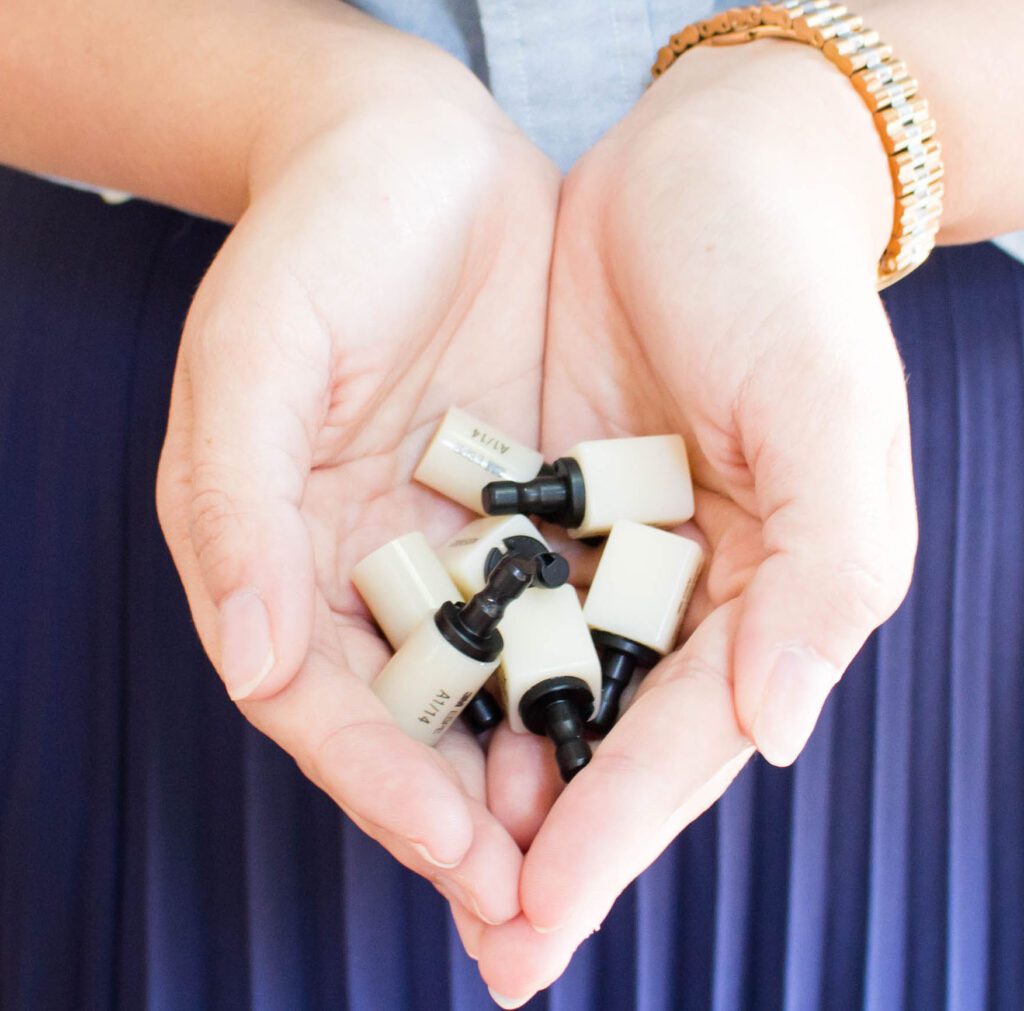
Biological dentistry prioritizes materials that are compatible with the body.
This often includes:
• ceramic implants instead of metal implants
• bio compatible (body-friendly, safe) restorative materials
• careful evaluation of materials placed in the mouth
Safe mercury amalgam removal
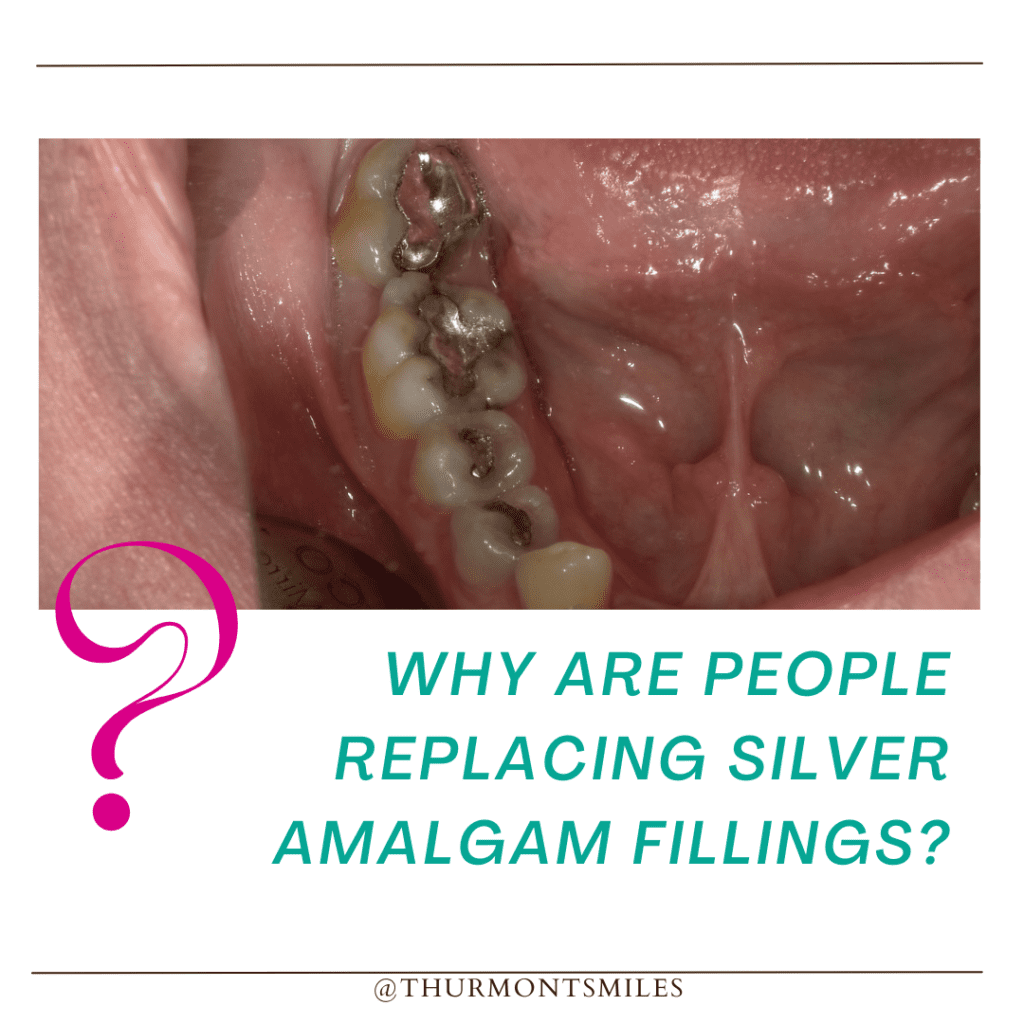
Many older metal fillings contain mercury amalgam.
When these fillings need to be replaced, biological dentists follow special safety protocols to minimize mercury exposure for both the patient and the dental team.
I’m SMART (Safe Mercury Amalgam Removal Technique) certified by IAOMT and follow their guided protocols.
Advanced imaging to detect hidden infections
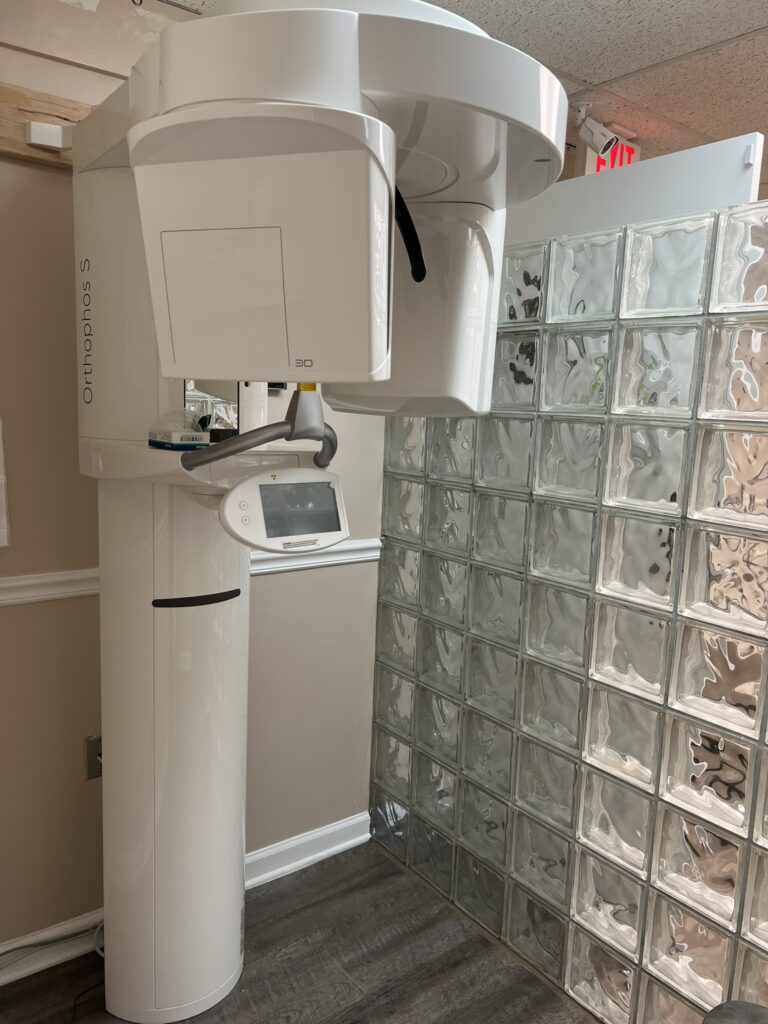
In my practice, we use 3D CBCT imaging, which allows us to see areas of infection that traditional two-dimensional X-rays often miss.
This technology has helped us identify issues that otherwise might go undiagnosed for years.
Working with the body’s healing ability
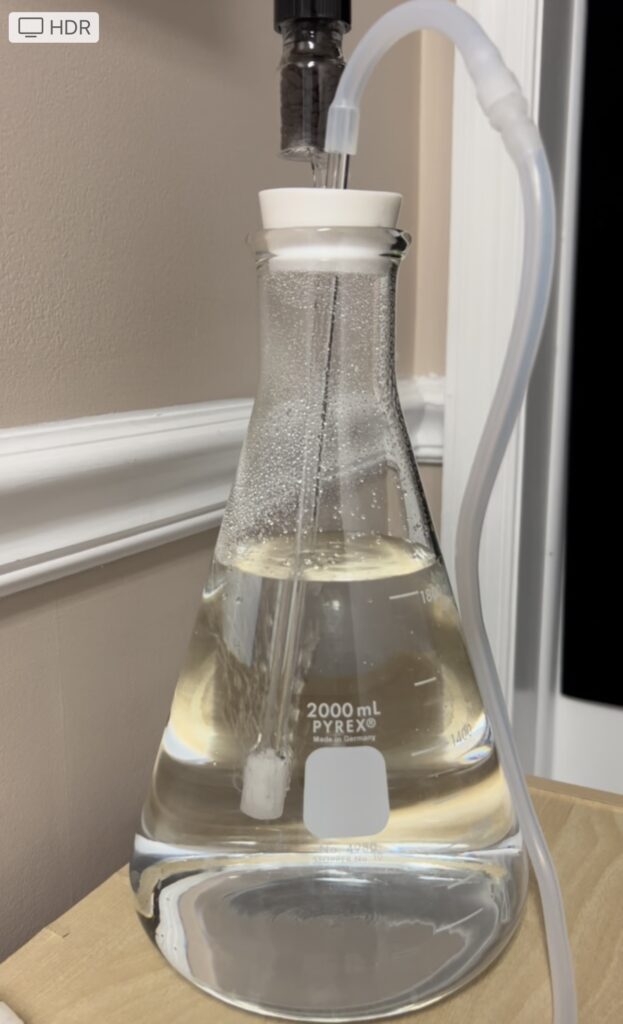
Biological dentistry also incorporates therapies that support the body’s natural healing processes.
This can include tools such as ozone therapy, which helps disinfect areas and support healing.
The goal is always the same:
work with the body rather than against it.
What We Often Discover Under Old Fillings
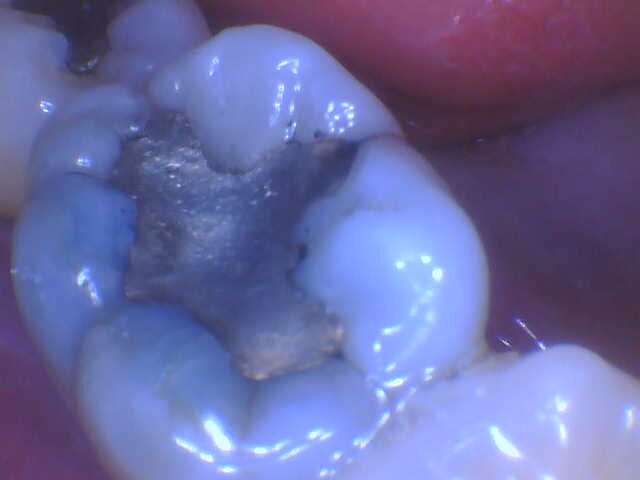
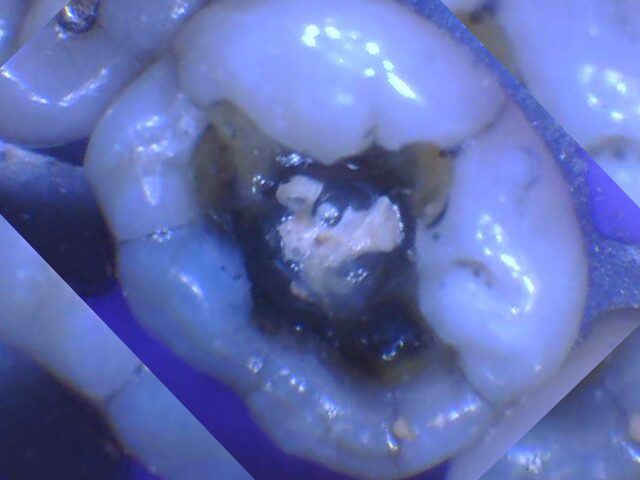
One of the most surprising things patients experience in my office is what we find under old dental work.
When we remove old amalgam fillings, patients are often shocked to see how much decay or cracking was hidden underneath.
This happens frequently — in fact, I see this two to three times every single day.
Many of these teeth had:
• no symptoms
• normal-looking X-rays
The metal filling can block the X-ray image, hiding significant decay underneath.
Once the filling is removed, the true condition of the tooth becomes visible.
Real Patient Examples
Hidden infections from root canal teeth
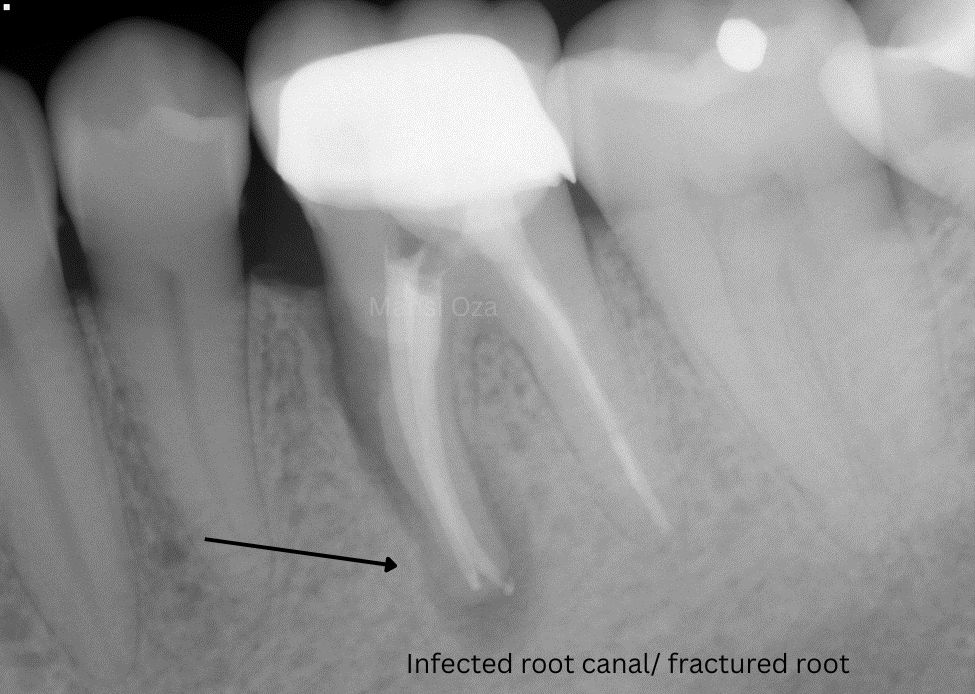
One young mother came to my office and we evaluated her with CBCT imaging (3-D xray).
To her surprise, we found seven infected root canal-treated teeth that had not been detected on traditional X-rays.
She had no clear dental symptoms but had been struggling with ongoing health concerns.
When medical doctors refer patients for dental evaluation
In another case, an older patient was working with an integrative medical doctor who was trying to control chronic inflammation in her body.
When the doctor could not find the cause, he referred her to me for a dental evaluation.
Using CBCT imaging, we discovered an infected root canal tooth that had gone undetected.
In some patients, dental infections can contribute to inflammation elsewhere in the body.
Common Controversies in Biological Dentistry
Two topics often generate strong opinions in dentistry:
Fluoride
Fluoride has long been used to prevent cavities, but there is ongoing debate about systemic exposure and appropriate use.
Biological dentists often take a more individualized approach when discussing fluoride with patients and offer alternatives to strengthen the teeth.
Root canals
Root canals are another area where opinions differ.
Conventional dentistry views root canal therapy as a way to save teeth by removing infected pulp tissue.
Biological dentists sometimes question whether bacteria can remain inside microscopic channels of the tooth and potentially affect overall health.
Because of this, biological dentists may evaluate root canal teeth more carefully, especially in patients with chronic health concerns.
Who Is Holistic and Biological Dentistry For?
In my experience, patients who seek biological dentistry often include:
• people who follow a wellness-oriented lifestyle
• patients with chronic inflammation or autoimmune conditions
• patients with diabetes or other metabolic health conditions
• individuals concerned about toxins and materials in their body
• patients who want metal-free dentistry
• patients working with integrative or functional medicine doctors who want their oral health evaluated as part of their overall health
• patients searching for answers when dental problems remain unexplained
However, the truth is that this approach benefits anyone who wants a more preventive, whole-body approach to oral health.
You do not need to be a holistic health enthusiast to benefit from biological dentistry.
You simply need to want dentistry that looks at the bigger picture of health.
The Bottom Line
Conventional dentistry focuses primarily on drilling, filing, cleaning teeth.
Holistic and biological dentistry focuses on the connection between the mouth and the entire body.
Both approaches aim to improve oral health, but biological dentistry expands the conversation to include:
- biocompatible materials
- hidden infections
- whole-body health
- minimally invasive techniques
- supporting the body’s natural healing ability
For many patients, this broader perspective provides answers they were not able to find elsewhere.
-Dr. Mansi Oza, BDS, DMD, FICOI