



“Can’t I Just Pull the Tooth Instead of Getting a Root Canal Treatment?”
By Dr. Mansi Oza, BDS,DMD, FICOI | Thurmont Smiles
I hear this question almost every week. And I want to answer it honestly.
Because the real answer is: it depends. And the way it depends matters a lot more than most people are told.
As a biological dentist, I’m not just looking at a tooth. I’m looking at you. Your immune system. Your inflammation load. Your bone health. Your long-term goals. Every decision I make in your mouth is filtered through one question: what does your whole body need?
That changes how I think about both root canals and extractions.
What a Root Canal Actually Is
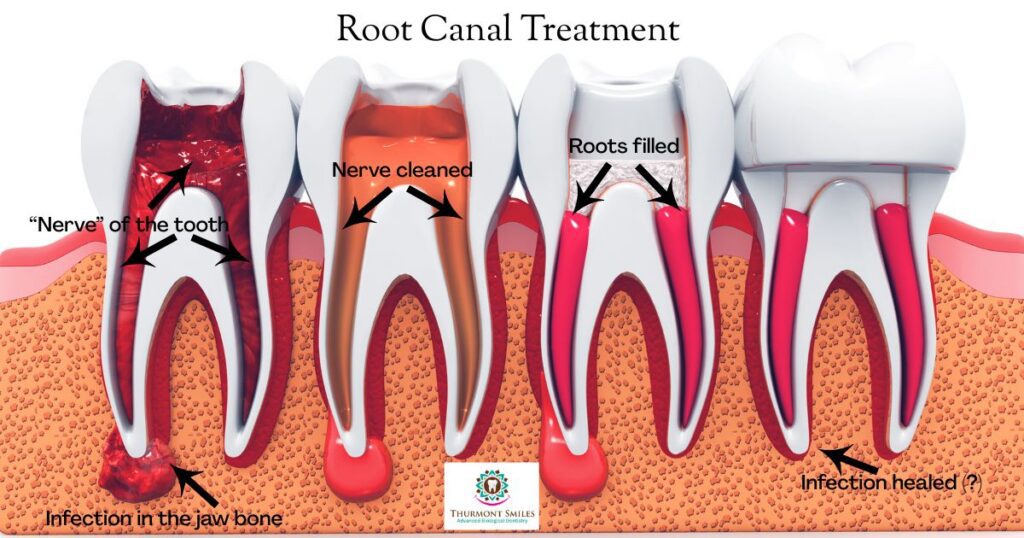
When decay or infection reaches the nerve, the two options most people hear are: root canal or pull it.
A root canal cleans out the infected or inflamed tissue inside the tooth, seals the canals, and allows you to keep the tooth in your jaw doing its job.
From a conventional standpoint, that sounds like a clean solution. And sometimes, it is.
But from a biological standpoint, here is what I also weigh:
Tooth roots are not simple tubes. They have intricate microscopic side canals that are nearly impossible to fully disinfect, no matter how skilled the clinician. A tooth that has been treated can, over time, become a quiet stressor on your immune system. Not in every patient. But in some, especially those dealing with chronic inflammation, autoimmune conditions, or unexplained fatigue, a treated root can contribute to a systemic burden that is hard to trace.
I am not against root canals. I perform them. But I perform them thoughtfully, and I explain what we know and what we do not know. That is what informed consent looks like. Learn more about how to rescue the tooth from a root canal by clicking: Root canal rescue
What “Just Pulling It” Actually Means
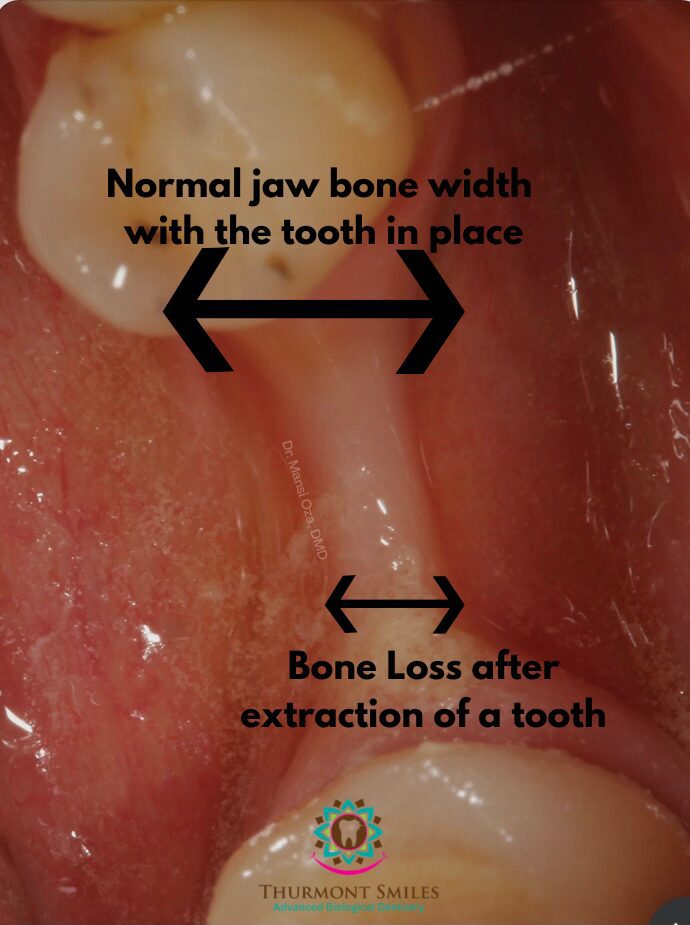
Extraction is not simple. It is a surgical procedure. And how it is done matters enormously for what happens next.
When a tooth is removed, the bone that held it in place begins to shrink. Not dramatically overnight, but predictably over months and years. Neighboring teeth drift. Bite forces shift. The jaw joint can be affected. If the socket is not properly cleaned, infected tissue and the periodontal ligament can remain, creating conditions for poor bone healing or, in some cases, a cavitation, an area of the jaw where bone never properly healed.
This is why I never think of it as “just pulling a tooth.”
What a Biological Extraction Looks Like
A biological extraction is designed around healing. Not just getting the tooth out.
Here is how I approach it:
Before we do anything, I look at your health picture. Vitamin D levels, bone health, medications, immune status, sleep quality, and inflammation markers all affect how well your body will heal. We set up the best possible environment before we begin.
During the procedure, I use a gentle technique focused on preserving as much jawbone as possible. After the tooth is removed, I take the extra steps most offices skip: I remove the periodontal ligament and thoroughly debride the socket, clearing out any infected or inflamed tissue. This is critical for clean bone regeneration.
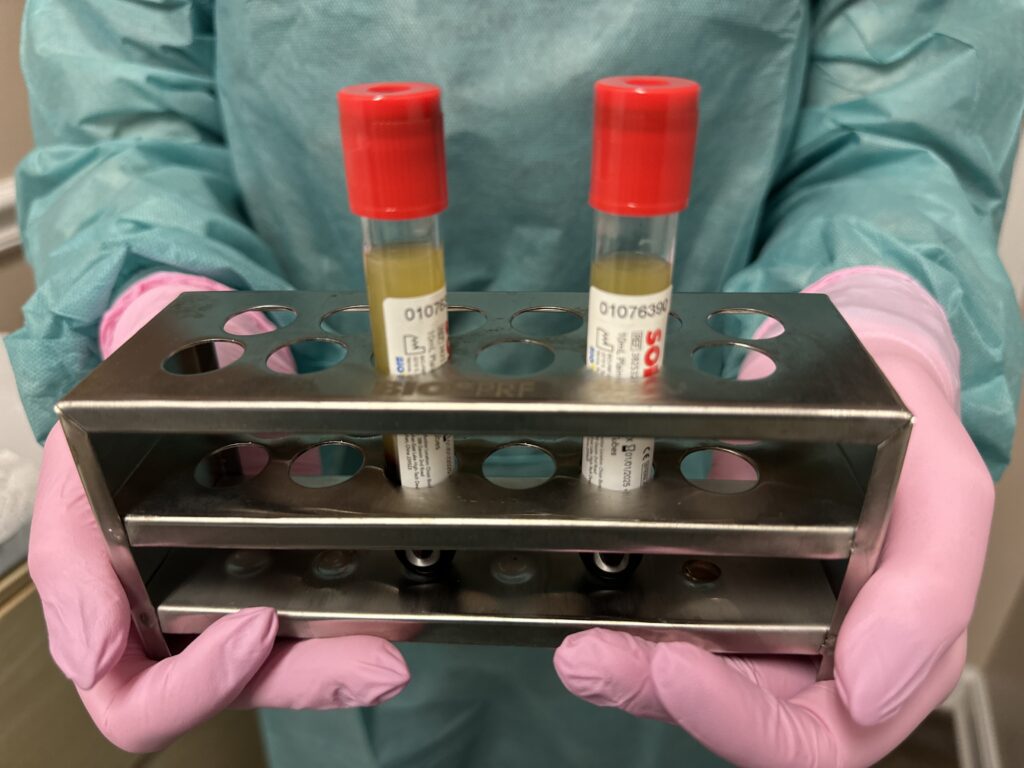
Then I use PRF, Platelet Rich Fibrin, made from a small sample of your own blood. We spin it in a centrifuge to concentrate your own platelets and growth factors into a natural membrane that goes directly into the extraction site. It accelerates healing, reduces inflammation, lowers post-operative discomfort, and supports stronger bone formation.
The goal of every single step is to reduce systemic stress and give your body the best chance to heal cleanly. Learn more about Biological Extractions on our website page by clicking here: Extractions
So How Do We Decide?
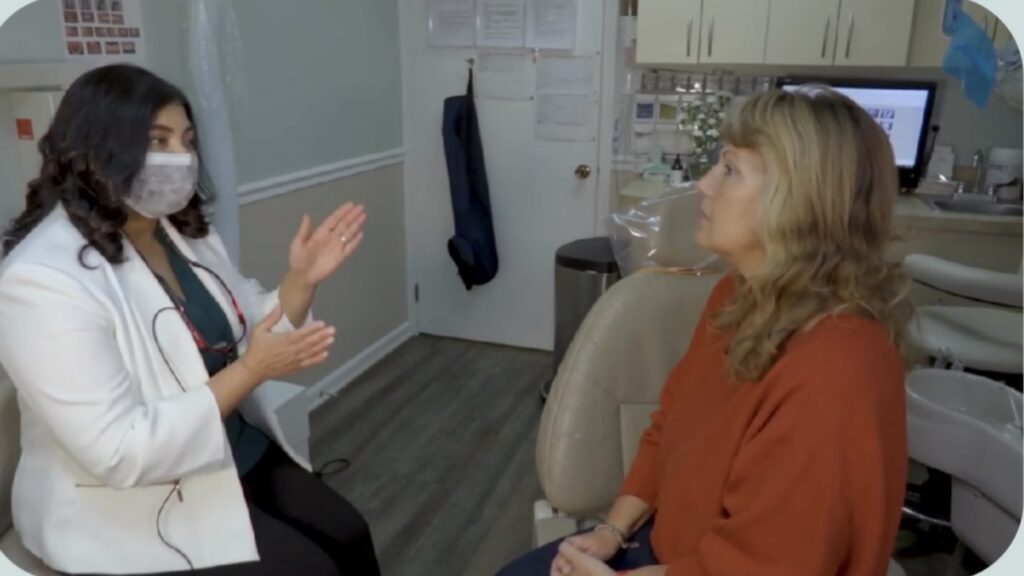
Together. That is the only honest answer.
Here is how I think through it with patients:
A root canal may make sense when the tooth has solid bone support, a restorable structure, and you are in good systemic health. Keeping a natural tooth root in your jaw has real benefits for bone stability and function that no replacement fully replicates.
A biological extraction may make sense when the tooth has severe infection, poor structural prognosis, or when you have health conditions where reducing the oral infection load is the more important priority.
The questions I ask are not about the tooth in isolation. They are about your health history, your inflammation picture, your goals, and what you are prepared to invest in long term.
If You Have Been Told You Need One or the Other
If a recommendation has been made and something in you is hesitating, listen to that.
You are not being difficult. You are doing what every informed patient should do: asking whether the full picture has been considered.
Bring your X-rays. Bring your questions. I will give you a clear, honest evaluation of what is happening in your mouth, what the risks and benefits are for your specific situation, and what I recommend and why.
Your tooth is worth the conversation. So is your health. Click here to learn more about: Initial Wellness Exam
Thurmont Smiles offers second opinion consultations for patients weighing root canal and extraction decisions. Reach out to schedule yours.